Wildfire Prevention and Control Campaign
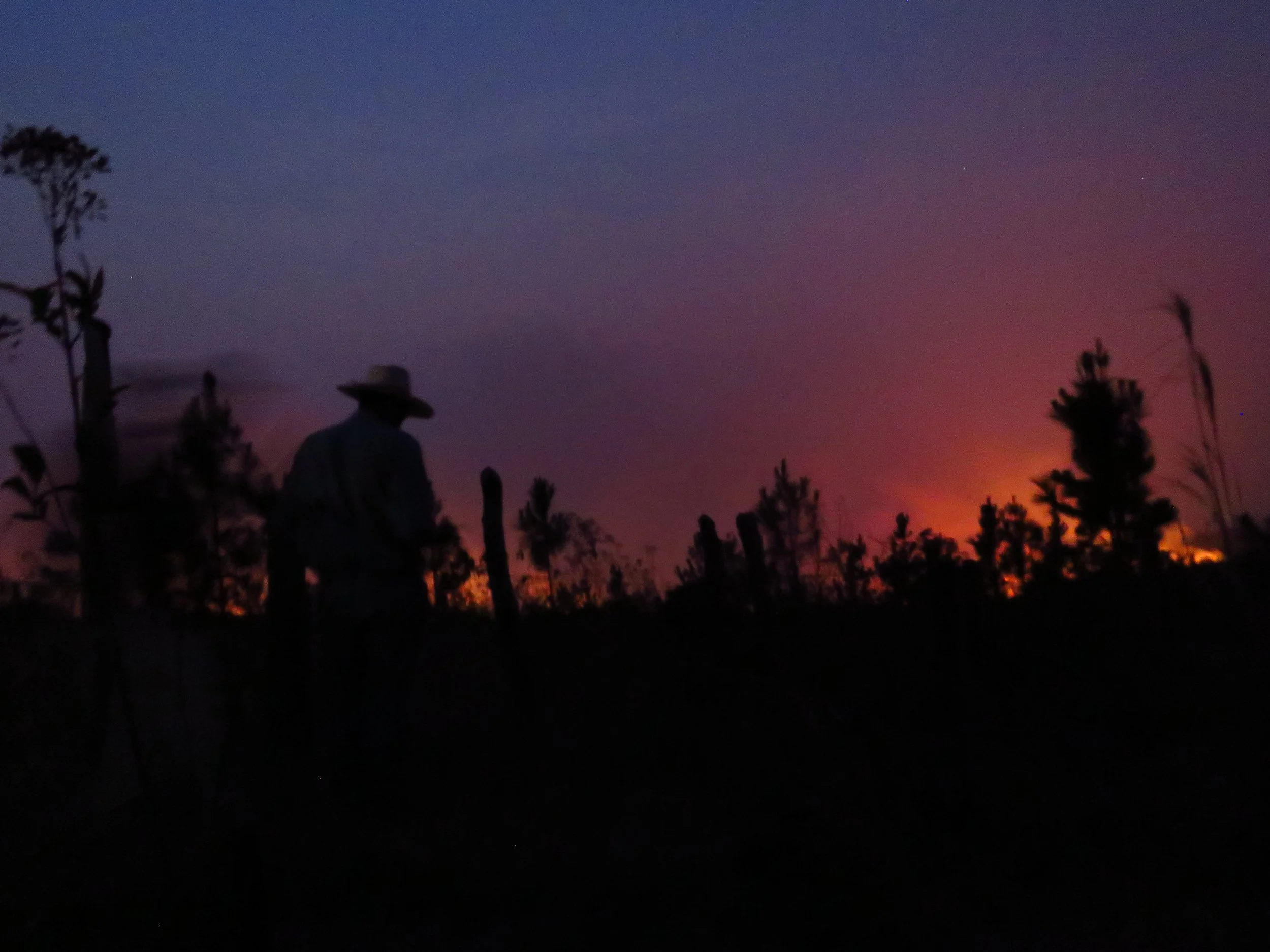
In Honduras, the arrival of the dry season not only marks a rise in temperature but also imposes a race against time. The first months of the year are characterized by a lack of rain and drying winds, transforming the landscape into a highly vulnerable environment. In this context, Eden Honduras's work stands as a critical mission of containment and prevention that goes beyond simple fire suppression. The strategy is not merely reactive; it is an active defense system that integrates tactical infrastructure, high-precision satellite monitoring, and the technical professionalization of frontline personnel.
Protecting water-producing areas is the cornerstone of this work. Understanding that the forest acts as a "natural sponge," Eden Honduras focuses its efforts on micro-watersheds and water recharge zones. Forest cover is vital for regulating the water cycle: roots stabilize the soil, preventing erosion, while the tree canopy reduces evaporation. Protecting these sites ensures the sustainability of the communities and the very functioning of the forest. Without a healthy forest, water disappears, and with it, the viability of life in these areas.
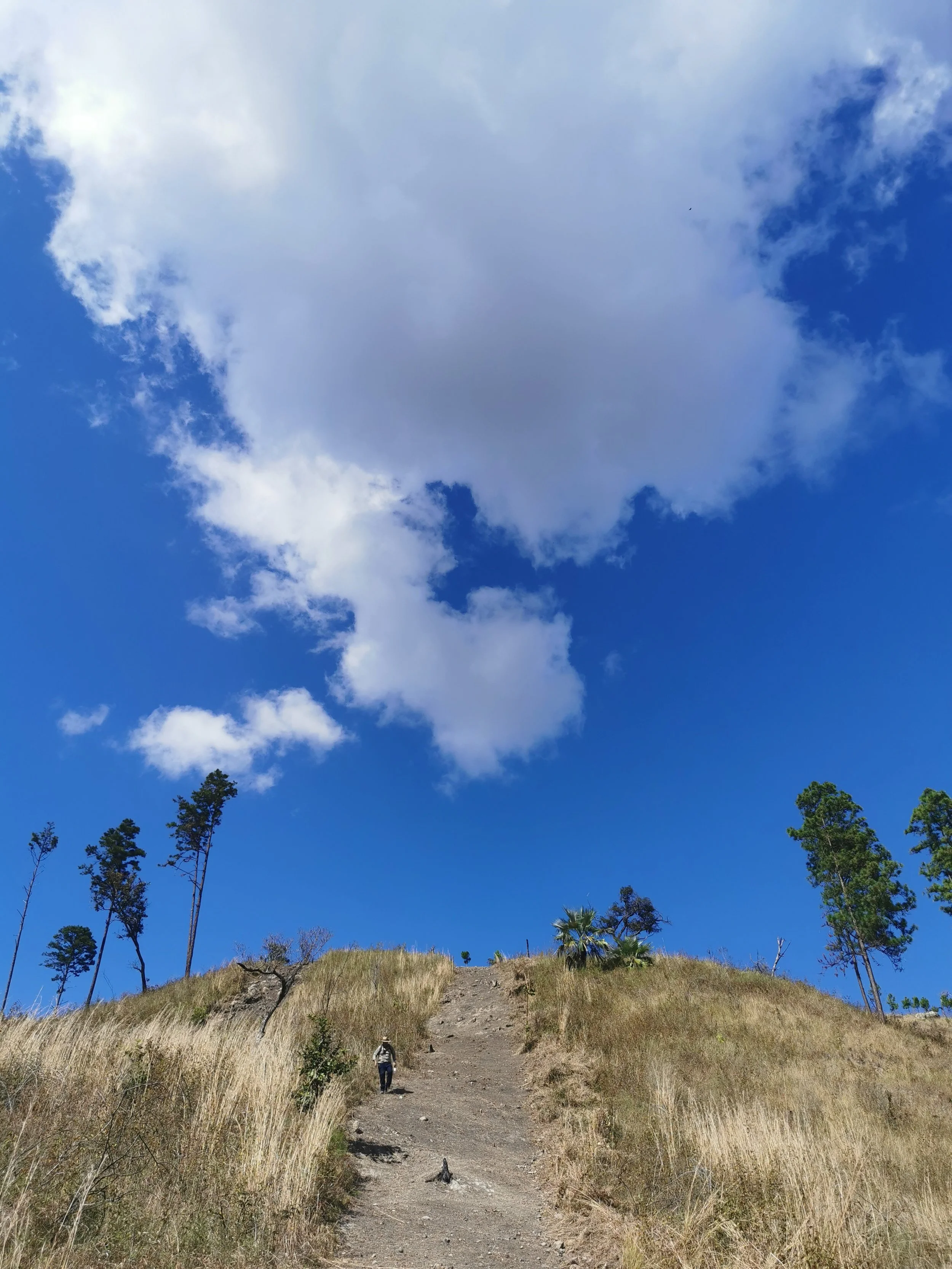
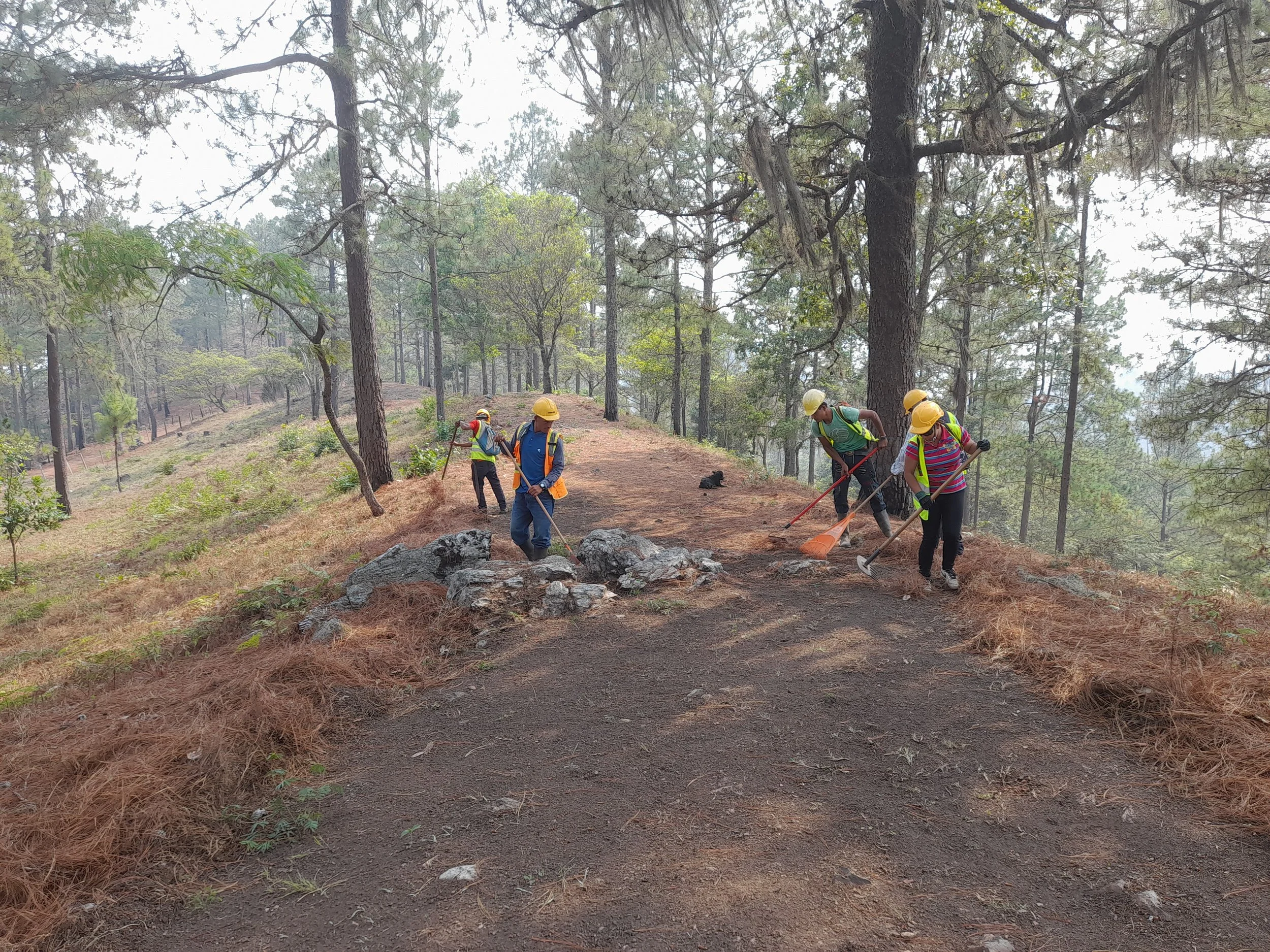
The physical preparation of the terrain is carried out through the construction of firebreaks or preventative firebreaks. These cleared strips act as physical barriers that break the continuity of forest fuel. Their design depends on a technical analysis of the slope and the amount of organic material. To date, Eden Honduras has constructed tens of kilometers of firebreaks, protecting critical areas such as young plantations and water sources, allowing fires to be contained and controlled quickly.
Eden Honduras recognizes that fighting fires in mountainous terrain demands operational excellence. Training is an ethical priority. At the start of each season, personnel receive comprehensive first aid training with the support of the Red Cross and the Fire Department. This training is specific to the forest environment: burn management, snakebite protocols (identification and immobilization techniques), and fracture treatment in steep terrain. With this level of technology and human preparedness, Eden Honduras safeguards Honduras's natural heritage and the lives of its personnel.
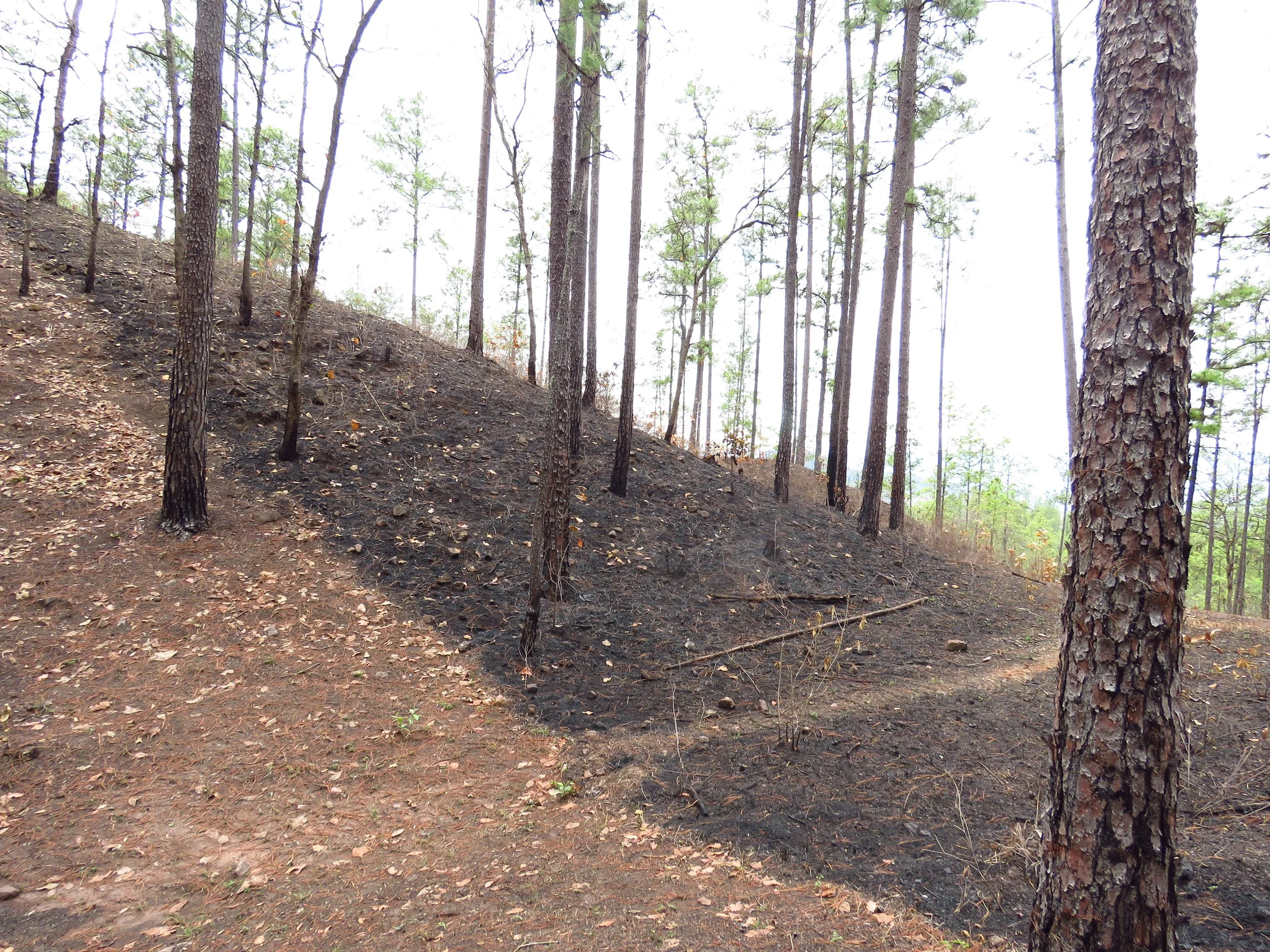
Special emphasis is placed on safeguarding young trees and natural regeneration. A forest fire not only destroys mature trees but also wipes out the future of the forest by consuming the seedlings just beginning their life cycle. Eden Honduras prioritizes the maintenance of these "forests of tomorrow," removing excess dry biomass when necessary. By ensuring the survival of natural regeneration, the ecosystem maintains its self-sustaining capacity, allowing the environment to recover its density and biodiversity organically and resiliently.
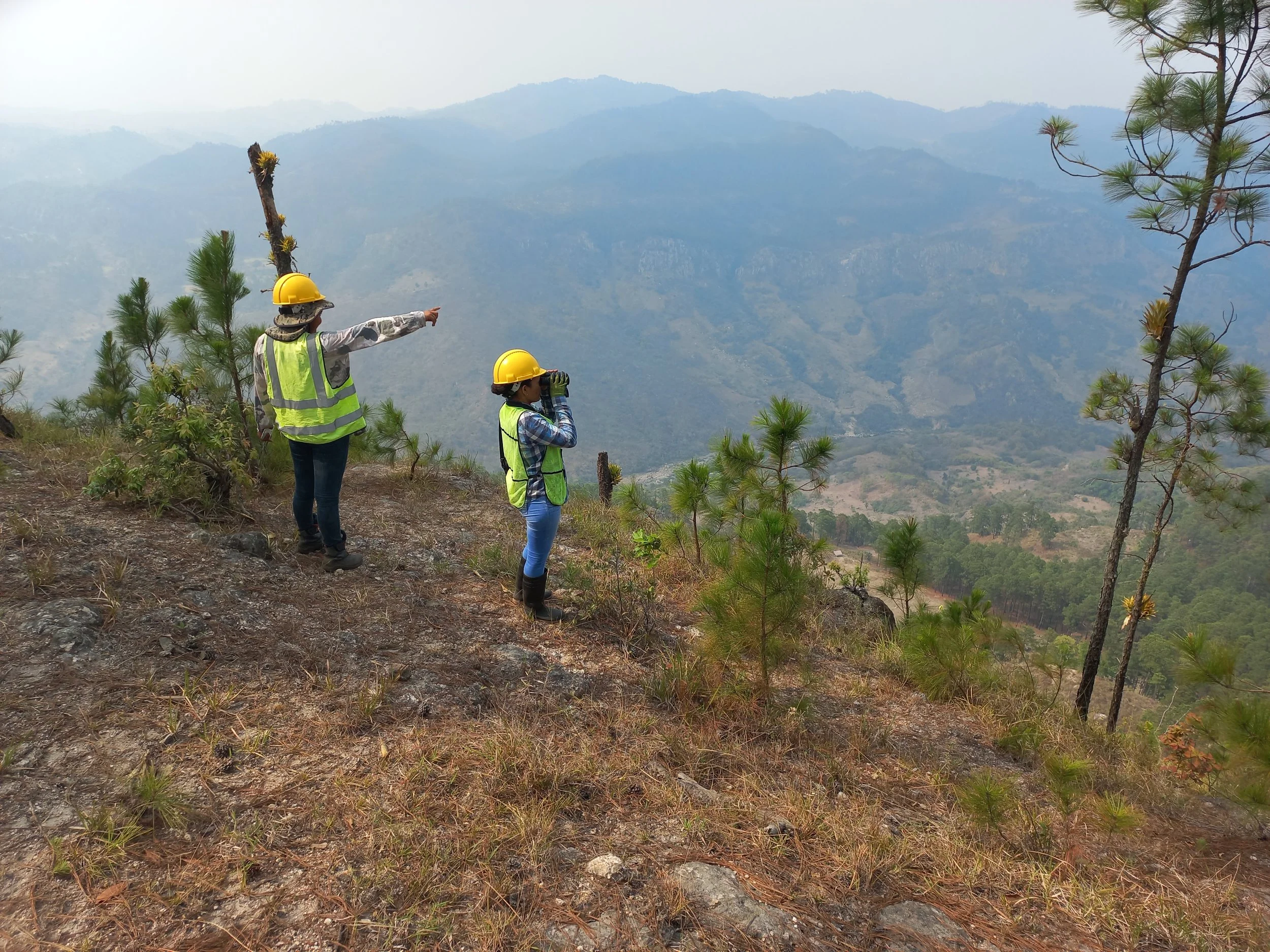
The effectiveness of the early warning system relies on surveillance that incorporates the use of NASA's FIRMS system, a satellite monitoring platform that detects hotspots or thermal anomalies in near real-time through MODIS and VIIRS sensors. This technology allows for the identification of fire outbreaks even in remote areas before they are visible to the human eye. Once the satellite issues an alert, a coordinated response is activated: observers at high vantage points and on the ground triangulate the exact location, while firefighting crews take action on the ground, if necessary, to verify and contain the initial outbreak.