Biodiversity Conservation
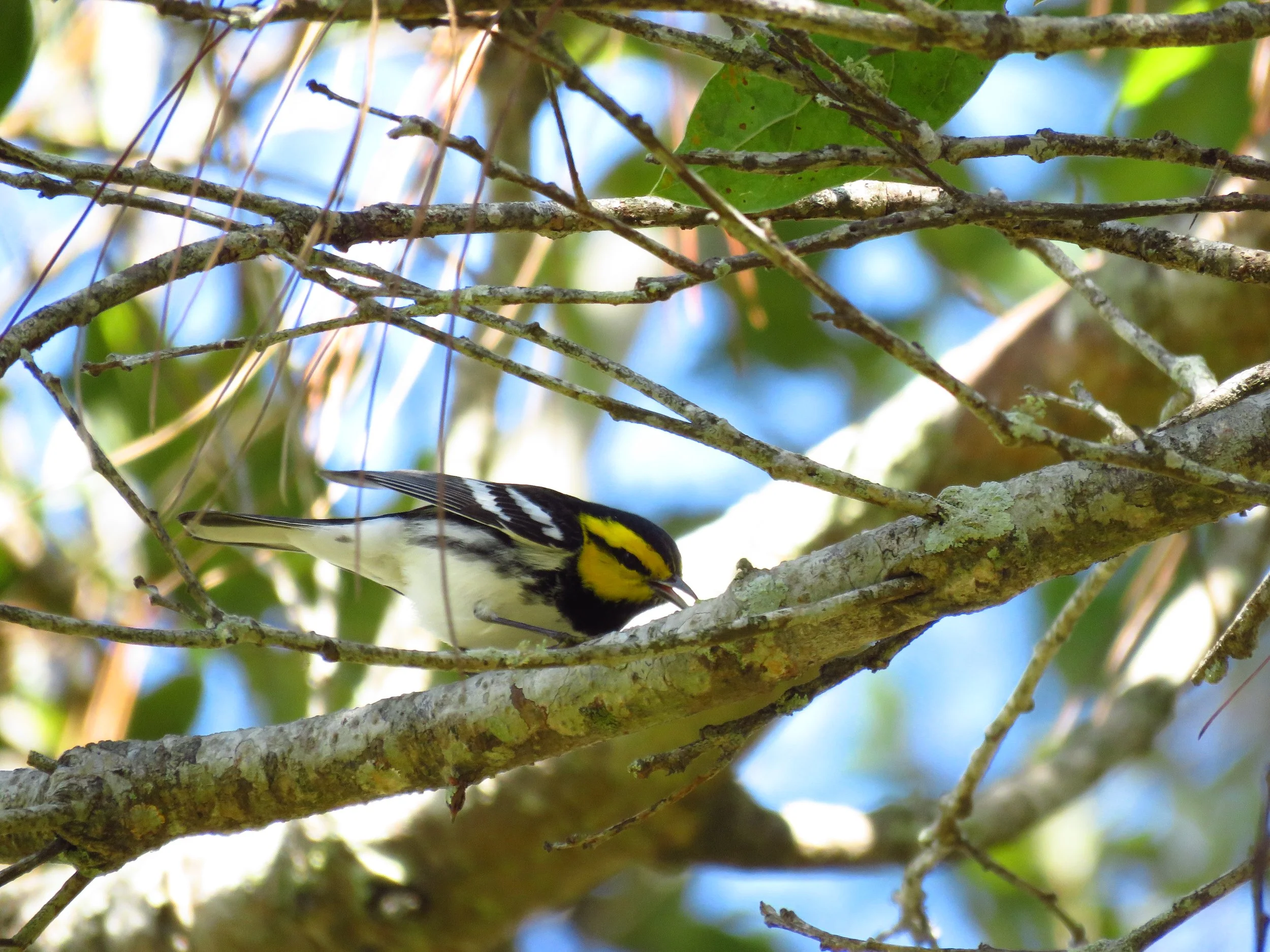
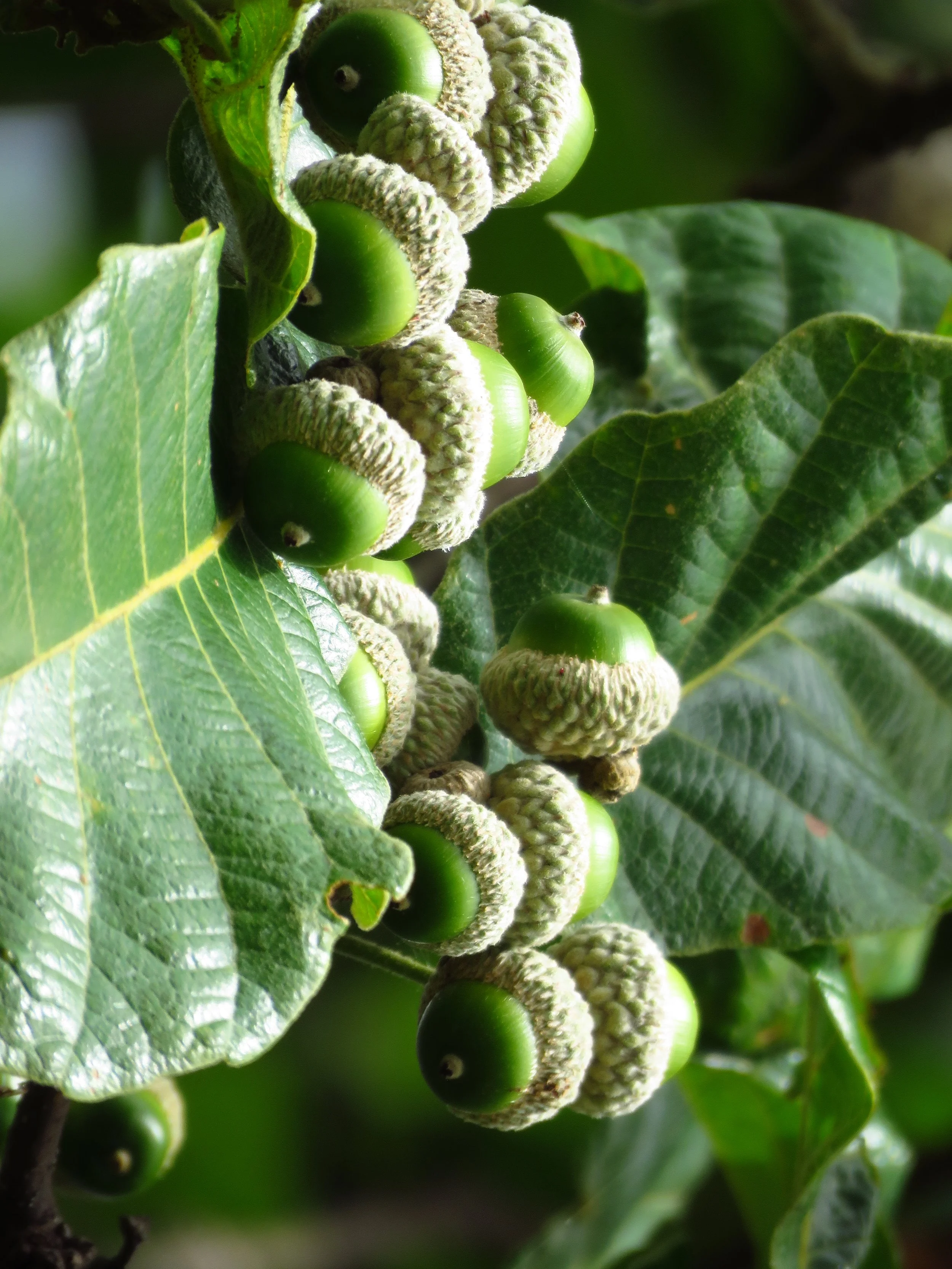
A major measure of success in ecological restoration is not limited to the number of trees planted, but rather to the return of the life they support. Biodiversity conservation is part of this effort, a vital indicator that ecosystems are recovering their health, complexity, and function, given that the goal is to ensure ecosystems function properly. In Honduras, one of the most emblematic and threatened ecological systems is the mixed pine-oak (Pinus-Quercus) forest, an ecosystem of immense value that defines the landscape of APREH's intervention areas in Francisco Morazán and Olancho.
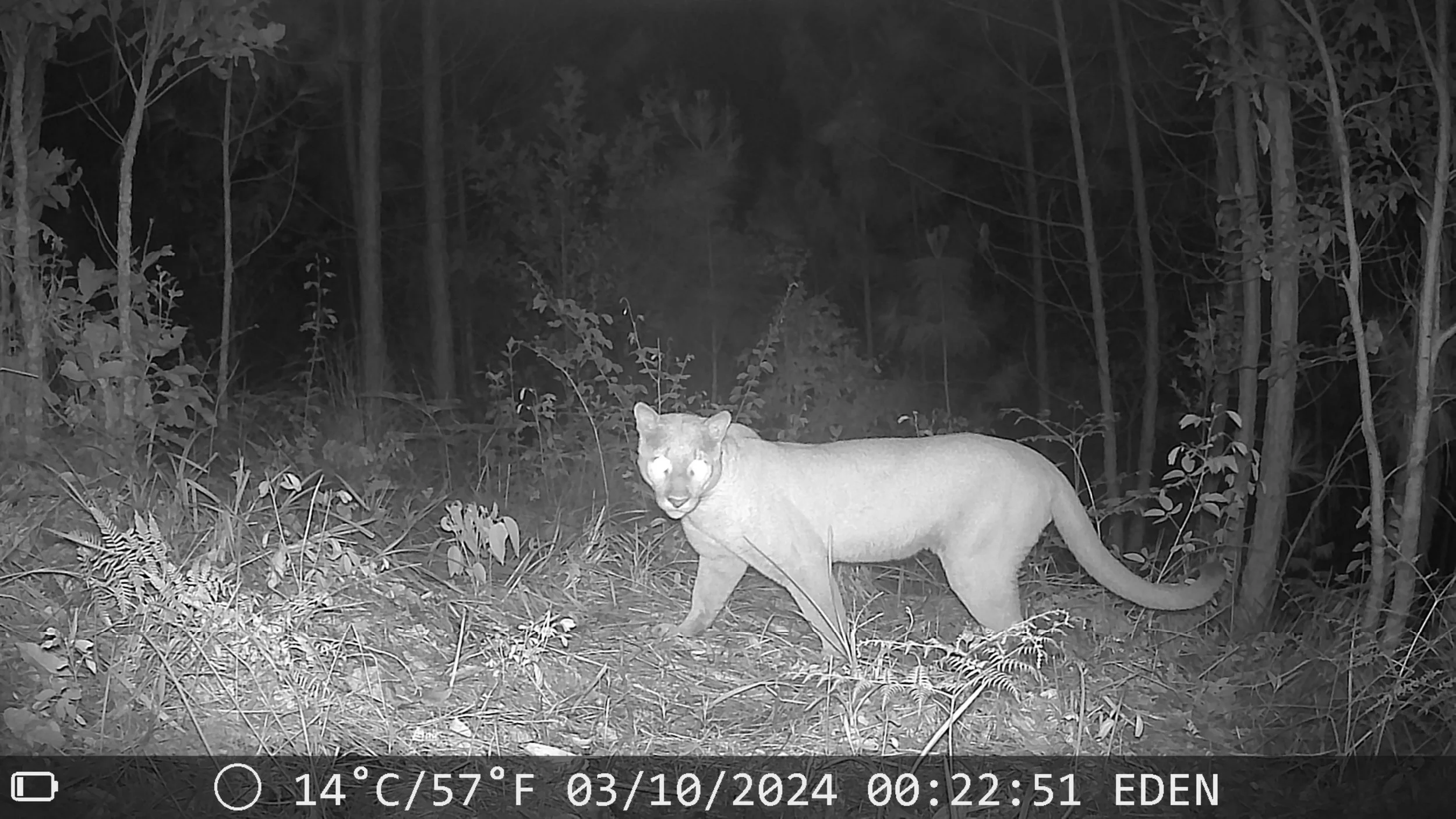
Scientific monitoring is the window through which we can glimpse this silent rebirth. APREH has implemented the use of camera traps as a fundamental tool for non-invasive assessment.
Active restoration also plays a crucial role as a landscape connector. The degraded areas that APREH reforests or manages are not isolated islands; they are links that integrate into a broader biological corridor within Protected Areas. By restoring forest cover in buffer zones and creating agroforestry systems that mimic forest structure, these vital corridors for native and migratory species are being strengthened and expanded.
From planting a pine tree to building a firebreak, each activity is aimed at restoring a living system where the pine-oak ecosystem recovers its splendor, camera traps witness the return of top predators and prey, biological corridors are strengthened for the movement of fauna, and emblematic birds such as the Golden-cheeked Warbler find a habitat with sufficient resources.