Environmental education - Awareness
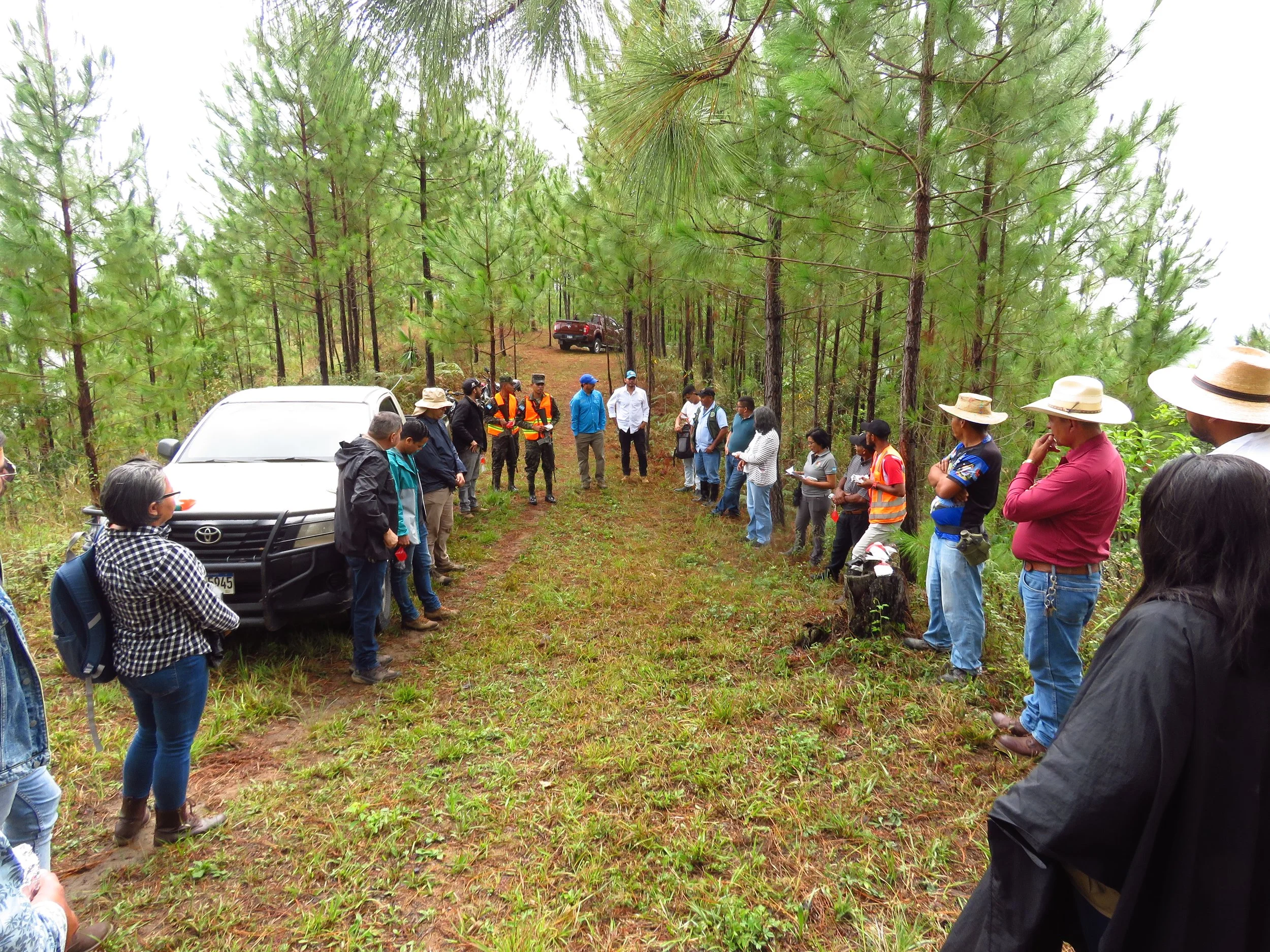
At APREH, we recognize that genuine and sustainable ecological restoration is not decreed from behind a desk, but rather built with the hands, knowledge, and commitment of those who inhabit the land. Our model of impact transcends the simple implementation of forestry techniques, resting instead on a fundamental pillar: the construction of shared environmental governance.
Fieldwork, therefore, is not a unilateral execution, but a coordinated response where each actor, from the farmer who watches his plot to the technician who georeferences a patrol, understands his role within a larger system.
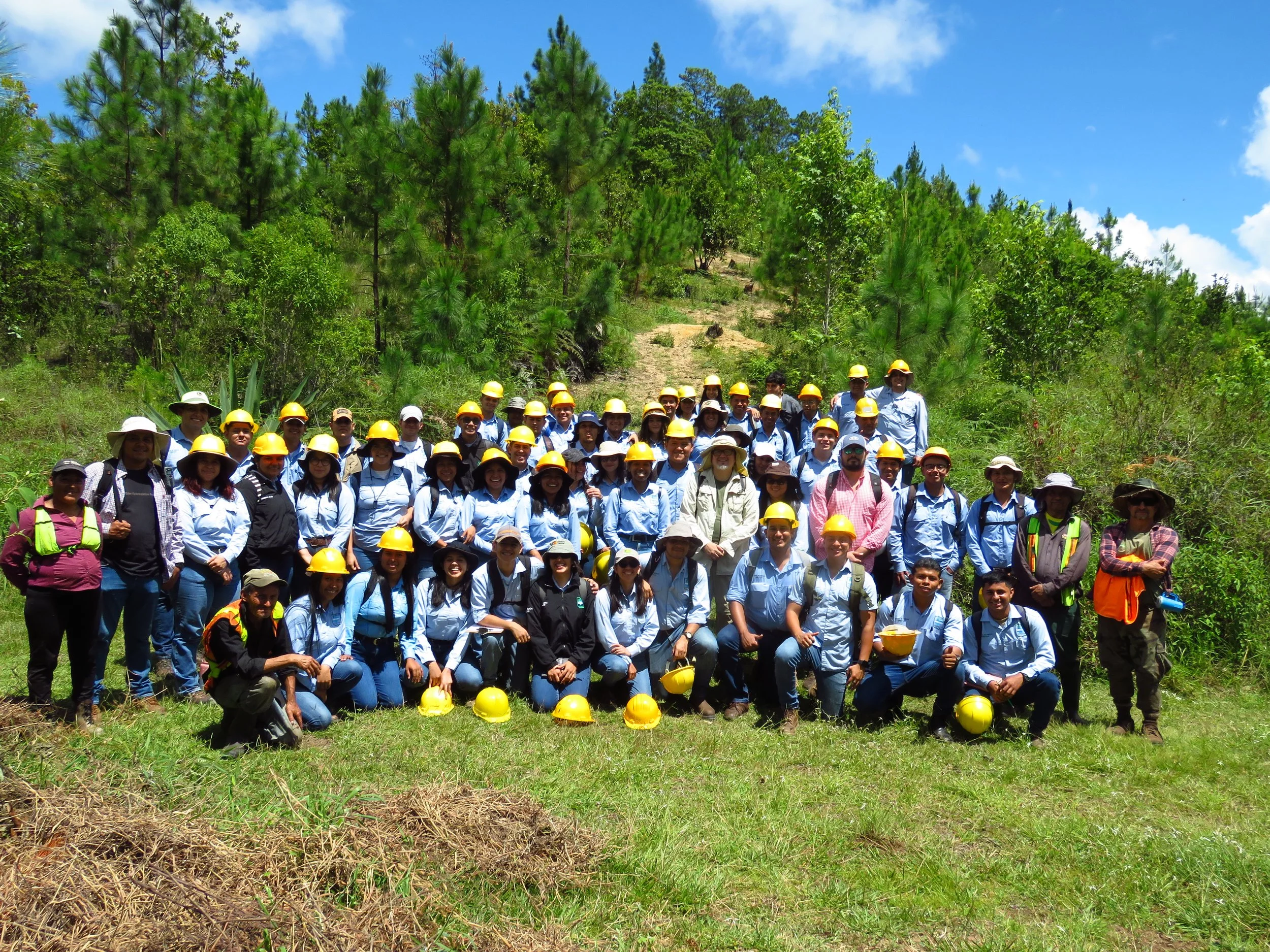

Therefore, APREH constantly invests in training and environmental awareness that goes beyond the technical aspects. It's not just about teaching how to use a Pulaski or how to identify a hotspot in FIRMS; it's about cultivating a deep understanding of why that forest is vital.
This is achieved through playful mechanisms in training sessions on different topics such as biodiversity, wildfire management, plant production, water sources, climate change and governance, and is aimed at different types of audiences and scenarios.
The impact, then, materializes in this two way: on the one hand, structuring and strengthening the immediate community and inter-institutional organization for concrete action and on the other hand, sowing the seed of long-term cultural change through education.