Restoration
APREH does not begin its work in a vacuum. Each project starts with an in-depth look at the forest that once existed or still persists in neighboring protected areas or water sources. By studying its composition (mixed pine-oak forests, broadleaf cloud forests) and its dynamics, APREH defines the ecological goal: are we restoring a mature forest to capture water and provide habitat for wildlife, or are we creating a transitional system to halt deforestation? This assessment determines whether the strategy will be pure ecological restoration in burned or invaded areas, or productive conversion through agroforestry systems on adjacent agricultural lands, always with the aim of strengthening biological corridors and protecting micro-watersheds.
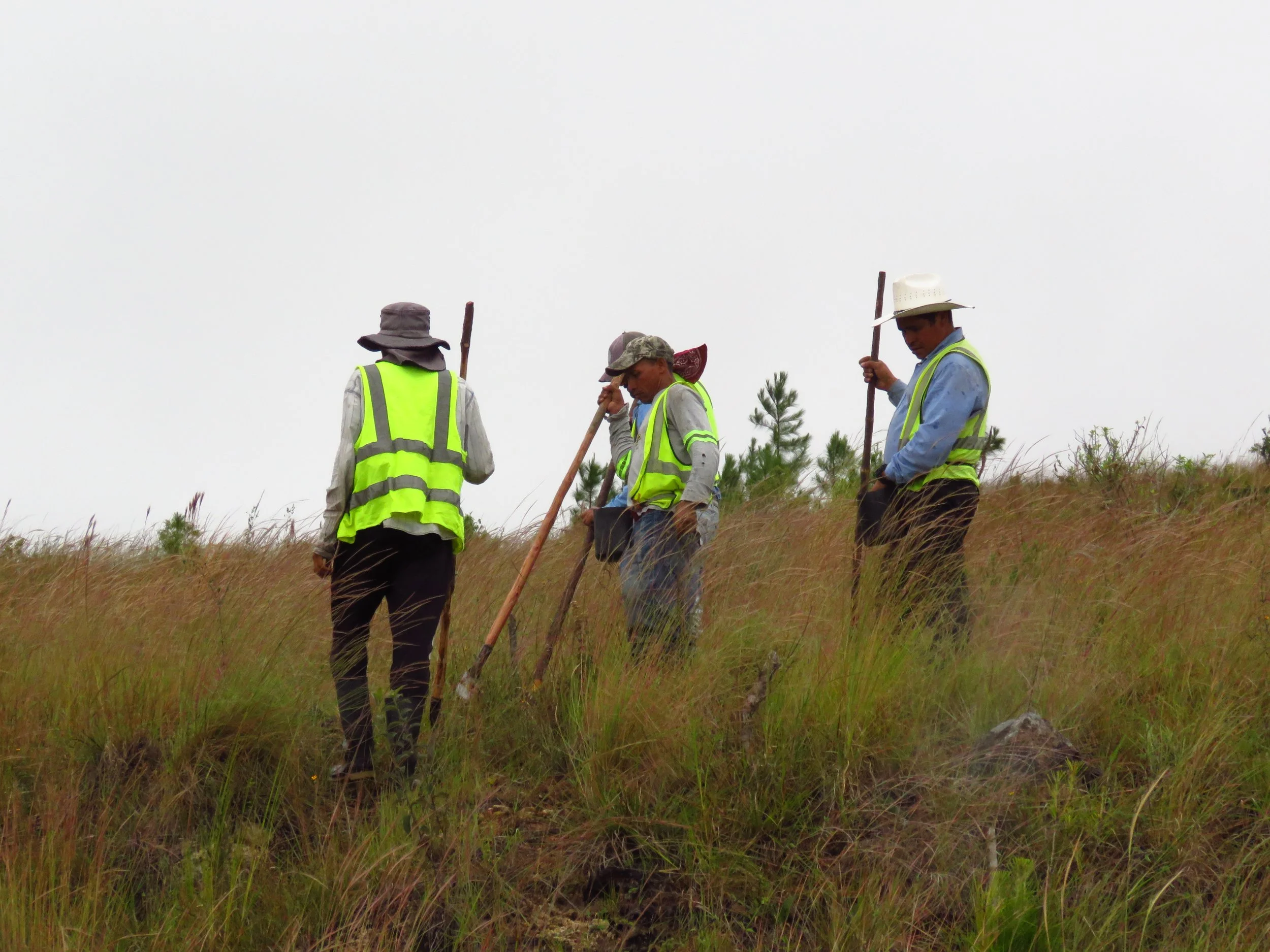
Local people, many of whom previously only engaged in subsistence farming, learn to collect seeds, prepare substrates, manage pests in nurseries, and even perform grafting to improve the genetics of fruit trees.
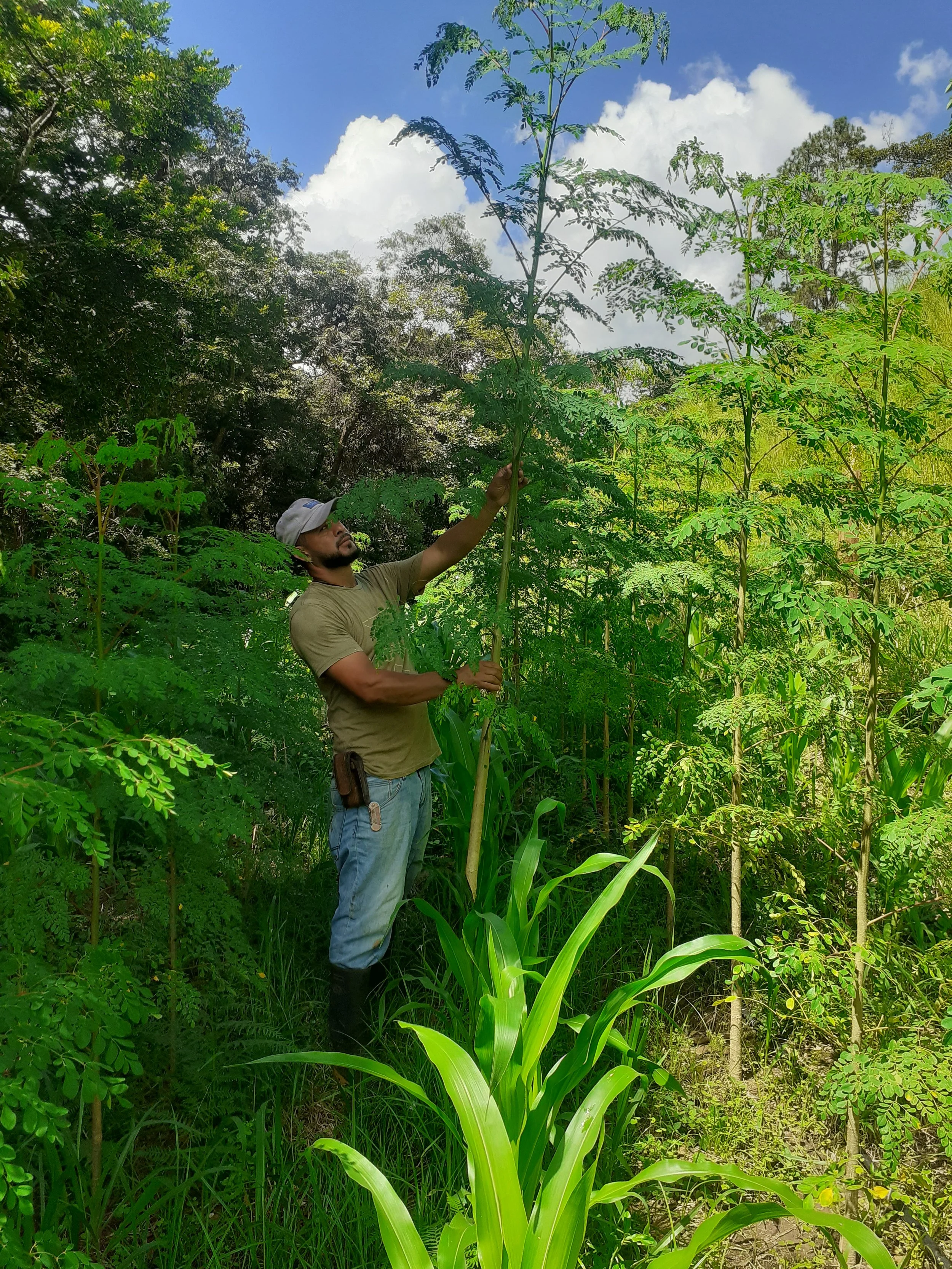
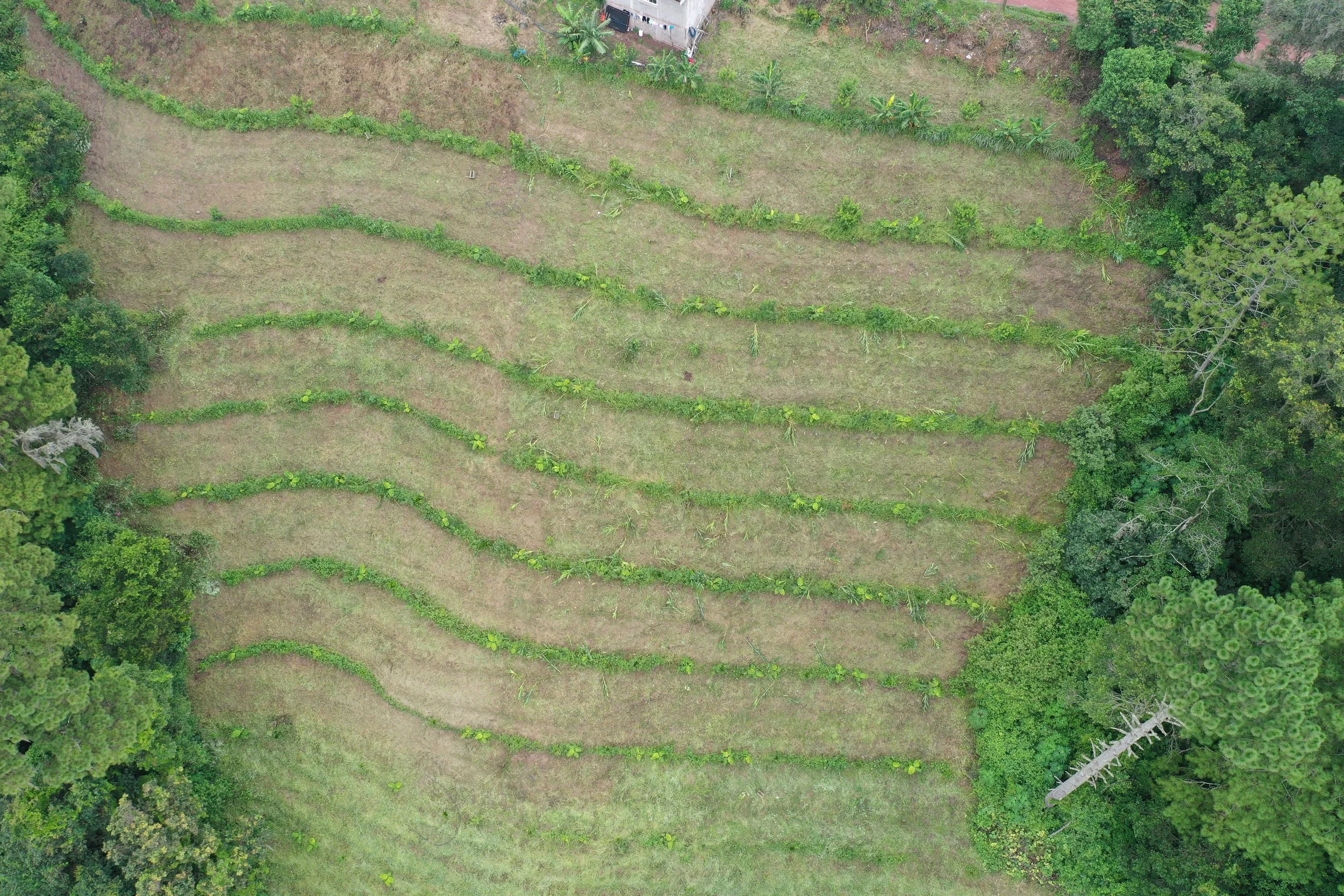
Thus, a plot of land previously dedicated solely to cabbage or corn is transformed into a dynamic agroforestry system: Hass avocado or Tommy mango trees provide shade and high-value fruit; Persian limes and oranges offer staggered harvests; and interspersed among them are native forest trees that restore the soil, provide firewood, and create a favorable microclimate. Contour lines and terraces are implemented to retain soil and water. These "demonstration plots" serve as living classrooms for other producers to see the tangible benefits: improved food security, new income from selling surplus produce, and land that erodes less and becomes more fertile each year.